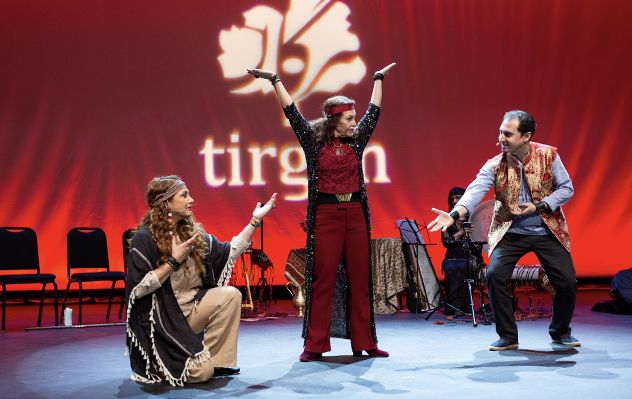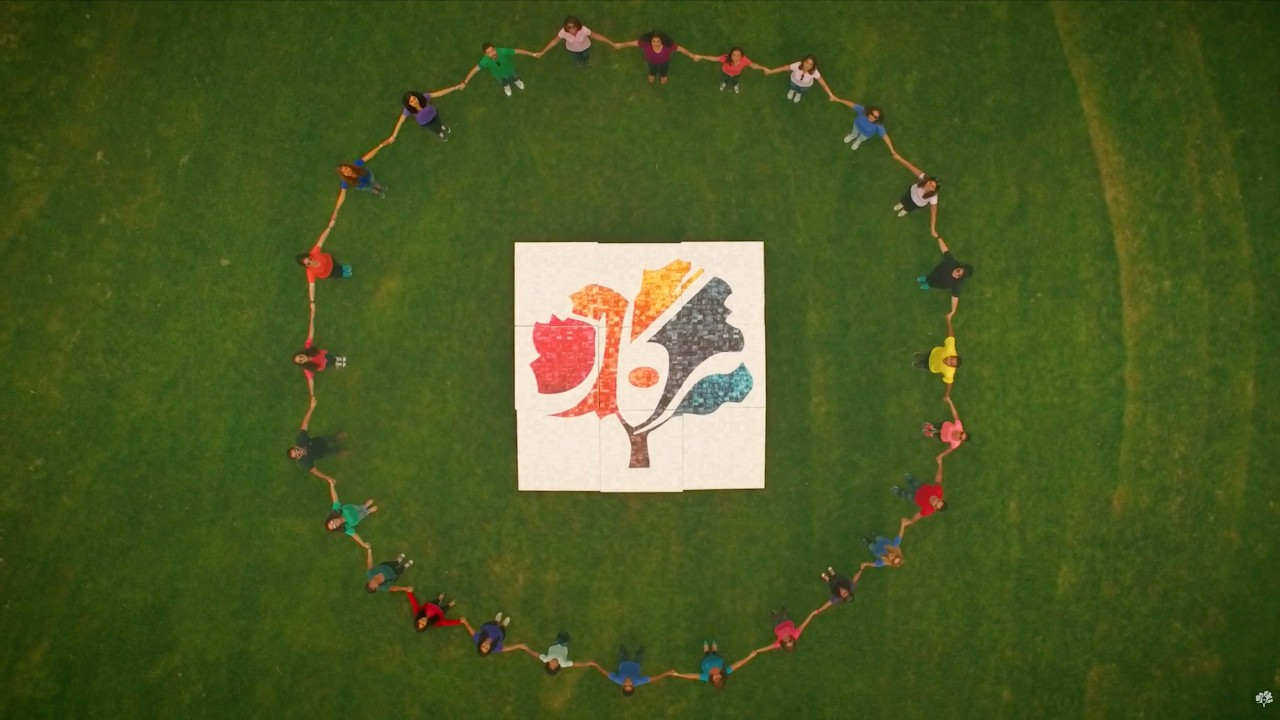
Our mission is to provide a prestigious platform that promotes and amplifies the voices of Iranian art, culture, and heritage, showcases artists and creators worldwide, fosters intercultural dialogue, and empowers our community to define its own narrative.
Through world-class programming in music, dance, literature, history, cinema, theater, and visual arts, we ensure that Iranian culture remains a living, evolving tapestry—one that continues to inspire generations to come.
The Legend of Tirgan
At its heart, Tirgan is a celebration where mythology, astronomy, and seasonal ritual intertwine, making it one of the most profound cultural observances in Iranian history. The festival is fundamentally a celebration of water, rooted in the cosmic rivalry between Apaosha, the demonic personification of drought, and Tishtrya, the benevolent divinity of the star Sirius and bringer of rain and fertility.
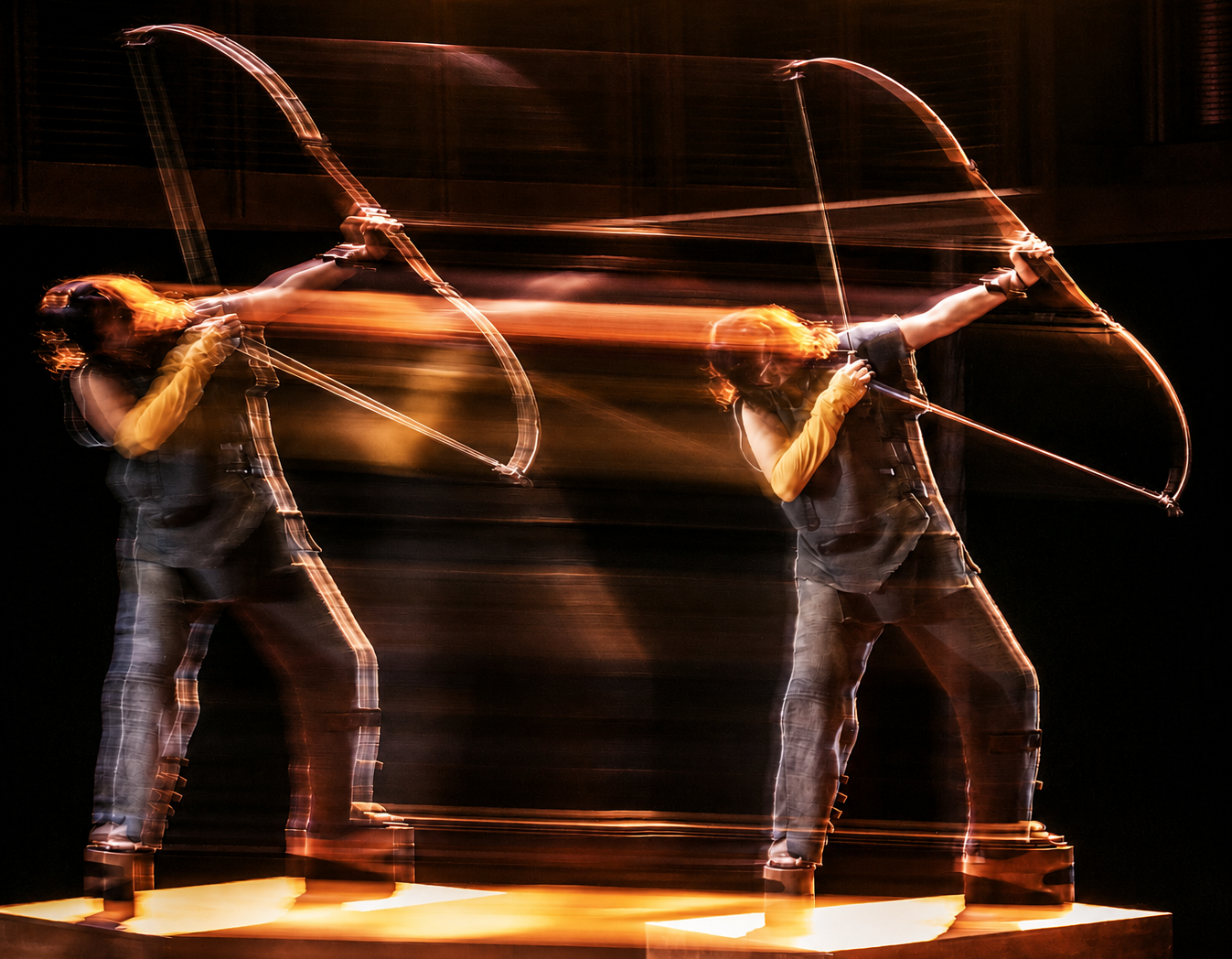
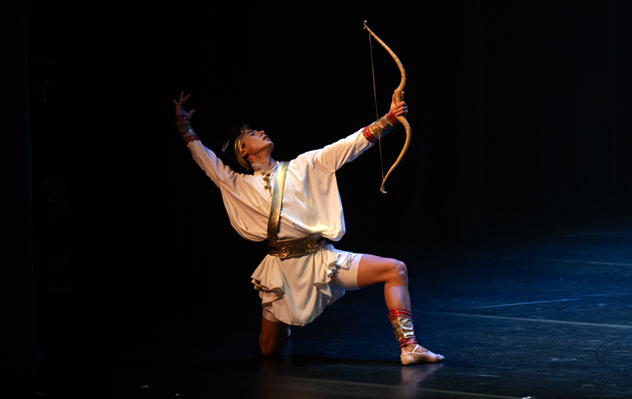
Several legends surround Tirgan’s origins. One of the most enduring tells of a devastating war between Iran and Turan, two longstanding enemies, who sought to end their conflict by fixing a boundary between their empires. Arash, a devoted and selfless warrior, volunteered for this seemingly impossible task. Climbing Mount Damavand, he prepared to loose a single arrow whose landing place would determine the new frontier. Knowing his homeland’s fate rested on this one shot, he poured every ounce of his life force into the release. The arrow flew on for a miraculous distance—from dawn until noon—carrying from Mount Damavand all the way to the Amu Darya (Oxus) River, and came to rest in the trunk of a walnut tree, vastly expanding and securing Iranian territory. Some versions of the legend hold that the gods themselves carried the arrow onward, lending it the distance no mortal shot could achieve.
This tale of sacrifice gave rise to the Tirgan festivities, which have enriched Iranian culture for over three millennia. Today, that legacy endures across a nation of remarkable diversity: Iran’s population comprises more than fifteen distinct ethnic groups, each with its own dialect or language, traditional dress, music, dance, and cuisine.